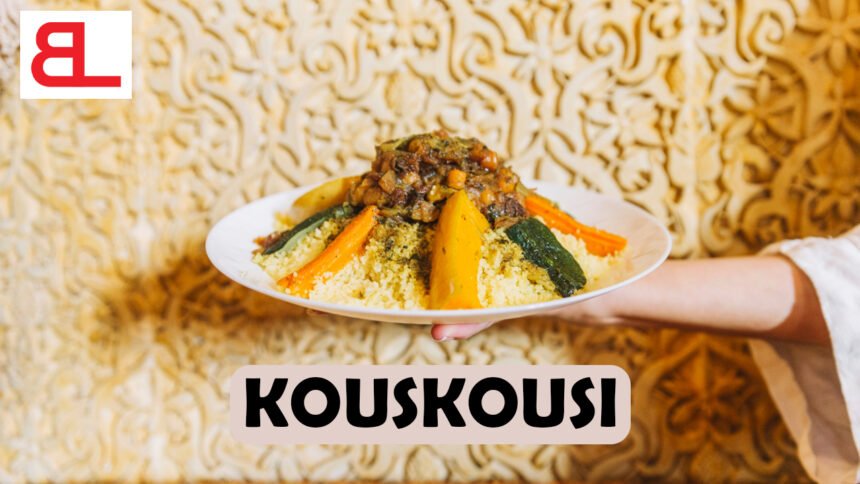
Kouskousi is a small, bead-shaped Greek pasta made from semolina flour and water, traditionally rolled by hand and dried in the sun before it was ever seen in a supermarket bag. If you have wandered through a Greek grocery store or scrolled past a Mediterranean recipe online, you may have spotted this tiny pasta sitting near the rice and orzo. It looks a lot like North African couscous, and people often mix the two names up, but kouskousi has its own story, its own texture, and its own place at the Greek table. This guide walks you through what kouskousi actually is, how it differs from couscous, how it is made, and how you can cook it at home.
What Is Kouskousi Exactly
Kouskousi (sometimes spelled kouskousaki) is a member of the large family of Greek pasta shapes known as zymarika, a word that simply means “made from dough.” Unlike long noodles or shells, kouskousi is formed into tiny round beads, usually no bigger than a peppercorn. The dough is a simple mix of flour, water, and sometimes a pinch of salt or a splash of olive oil.
The name gives away its closest cousin. Kouskousi shares its root with the Arabic word for couscous, and many Greek cooks describe it as the local answer to that North African staple. But the comparison only goes so far. In North Africa, couscous is traditionally made by rolling moistened semolina into tiny granules and then steaming them, often more than once, to get a light and fluffy texture. Kouskousi, on the other hand, is treated like any other pasta. It gets boiled in water just like orzo or small shells, and it is never steamed in the traditional sense.
This small but important detail is why food writers usually classify kouskousi as a pasta shape rather than a grain product, even though its appearance can fool a first time cook.
Kouskousi and Its Place in Greek Cooking
Greece has a long tradition of homemade pasta, and kouskousi fits right into that history. In rural households, women once made their own pasta shapes during the summer, right after the wheat harvest, when fresh flour, milk, and eggs were easy to find. They kneaded the dough, broke it into small pieces, rolled it between their palms, and then laid it out to dry under the sun. Once it dried, the pasta went into cloth bags and lasted the family through the year.
Kouskousi belongs to this same world of handmade shapes, alongside other well known Greek pastas such as trahana, hilopites, and kritharaki. Kritharaki, often called orzo outside Greece, is shaped like a grain of rice. Hilopites are flat, ribbon like noodles often enriched with egg and milk. Trahana is a fermented pasta made with milk or yogurt, giving it a tangy flavor that many Greeks grew up eating in winter soups. Kouskousi stands apart from these because of its round, bead like shape, which cooks quickly and holds sauces well without becoming mushy.
Today, most kouskousi sold in stores is made in small factories or by family run cooperatives rather than rolled by hand at home. The tradition of hand rolling still survives in some households and on some islands, but packaged kouskousi has made this pasta far more accessible for everyday cooking.
How Kouskousi Is Made
Traditional kouskousi starts with a basic dough of flour and water, sometimes with a little salt or olive oil added for flavor and elasticity. Once the dough comes together, it gets broken into small pieces that a cook rolls between the palms of their hands until each piece forms a tiny, round or slightly oval bead.
Because rolling hundreds of tiny beads by hand takes real patience, many families would work together during pasta making season, turning it into a shared task rather than a solo chore. Once shaped, the beads were spread out on trays or cloths and left to dry in the sun for several days. Drying removed the moisture and allowed the pasta to be stored for months without spoiling.
Modern production follows the same basic idea but uses machines to shape and dry the pasta on a larger scale. The dough still relies on the same core ingredients, and the pasta still gets dried thoroughly before packaging, but the process moves much faster and produces a more uniform bead size than hand rolling ever could.
What Does Kouskousi Taste Like
On its own, dry kouskousi has almost no flavor. Like most plain pasta, it tastes mild and slightly wheaty, which is actually its biggest strength in the kitchen. Because the flavor is so neutral, kouskousi easily absorbs whatever it is cooked with, whether that is a rich tomato sauce, a lemony broth, or simply olive oil and herbs.
Once cooked, kouskousi has a soft yet slightly chewy bite, similar to small pasta shapes like ditalini or orzo. It holds its round shape well after boiling, which makes it pleasant to eat by the spoonful in soups or to scoop up in a salad. Cooks in Greece often pair it with ingredients that bring their own bold flavors to the dish, such as feta cheese, fresh greens, garlic, or grated myzithra cheese, a soft, mild sheep’s milk cheese common in Greek pasta dishes.
How to Cook Kouskousi
Cooking kouskousi is simple and does not require any special equipment. Here is a basic method that works for most recipes.
- Bring a pot of salted water to a rolling boil. Use enough water so the pasta has room to move around freely.
- Add the kouskousi to the boiling water and stir once so the beads do not clump together.
- Cook for the time listed on the package, usually a short window similar to other small pasta shapes. Taste a few beads near the end of cooking to check that they are tender but still hold their shape.
- Drain the pasta well. If you plan to use it in a cold salad, rinse it briefly under cool water to stop the cooking and keep the beads from sticking.
- Toss the drained kouskousi with olive oil right away. This simple step keeps the pasta from clumping while you finish the rest of the dish.
Because kouskousi cooks quickly, it works well as a last minute addition to soups. Many cooks add it directly to a simmering pot of broth during the final few minutes of cooking, which lets the pasta soak up flavor from the liquid as it softens.
Simple Ways to Serve Kouskousi
Kouskousi shows up in Greek kitchens in a few reliable ways, and each one highlights a different side of this small pasta.
In soups. Kouskousi is a popular addition to vegetable or chicken soups, where it adds body and a pleasant bite without overwhelming the broth. It works especially well in lighter soups, since the small beads cook through quickly and blend naturally into each spoonful.
With legumes and greens. One of the most common home style dishes pairs kouskousi with chickpeas and leafy greens such as Swiss chard or spinach. Onion, garlic, and a touch of ginger or lemon often round out the dish, creating a simple one pot meal that leans on pantry staples.
As a cold salad. Cooked and cooled kouskousi makes a light base for a pasta salad. Tossed with olive oil, lemon juice, chopped herbs, cucumber, and crumbled feta, it turns into a refreshing dish that works well for warm weather meals or as a side at a gathering.
Alongside meat or seafood. Like orzo, kouskousi can sit under grilled meat or seafood, soaking up any juices or pan sauce left on the plate. This makes it a flexible stand in for rice in many main course meals.
Kouskousi vs Couscous vs Orzo
Because kouskousi sits so close to two more familiar foods, it helps to see how all three compare side by side.
Couscous, the North African staple, is made by rolling moistened semolina into tiny irregular granules and then steaming them, often more than once, to achieve a light and fluffy texture. It is not usually boiled the way pasta is, and its texture stays airy rather than chewy.
Orzo, known in Greece as kritharaki, is shaped like a grain of rice rather than a round bead. It is made from durum wheat semolina and cooked by boiling, much like any small pasta. Orzo tends to hold a bit more structure and a slightly firmer bite than kouskousi.
Kouskousi sits between the two in appearance but leans firmly toward pasta in preparation. It looks like couscous because of its small, rounded shape, yet it gets cooked and treated like orzo or any other small boiled pasta. If a recipe calls for couscous but you only have kouskousi on hand, keep in mind that the cooking method is different. Kouskousi needs to be boiled in water for several minutes, while classic North African couscous is usually just steamed or rehydrated with hot liquid off the heat.
Where to Find Kouskousi and How to Store It
Kouskousi is most commonly found in Greek and Mediterranean grocery stores, either packaged under its own name or sometimes labeled as kouskousaki. Many online retailers that specialize in Greek pantry goods also carry it, which makes it easy to order even if there is no Greek market nearby. If you cannot find kouskousi specifically, small pasta shapes like ditalini, acini di pepe, or pearl couscous can serve as reasonable substitutes in most recipes, though the taste and cooking time will differ slightly.
Once opened, store dry kouskousi in an airtight container in a cool, dry pantry, just as you would with any other dried pasta. Kept this way, it stays fresh for many months. Cooked kouskousi should go into the refrigerator in a sealed container and is best eaten within a few days for the freshest taste and texture.
Nutritional Snapshot
Kouskousi is made from wheat flour, so its nutritional profile is close to other semolina based pastas. It is primarily a source of carbohydrates, with a modest amount of plant based protein and small amounts of fiber, depending on whether the flour used is refined or includes some whole wheat. As with any wheat pasta, kouskousi is not suitable for people who need to avoid gluten. Because portion sizes and recipes vary so widely, it is best to check the nutrition label on the specific package you buy or look up values for plain semolina pasta if you want precise numbers for meal planning.
Conclusion
Kouskousi may look like a distant relative of North African couscous, but it earns its own identity once you understand how it is made and cooked. This small, bead shaped Greek pasta grew out of a long tradition of handmade zymarika, and it still carries that homemade spirit even in its modern, store bought form. Its mild flavor and quick cooking time make it an easy addition to soups, salads, and simple vegetable dishes, especially for anyone who already enjoys small pasta shapes like orzo.
If you come across a bag of kouskousi the next time you shop, do not let the unfamiliar name hold you back. Boil it the way you would any small pasta, pair it with olive oil, fresh vegetables, or a light broth, and you will have a simple, satisfying dish that reflects generations of Greek home cooking.
Frequently Asked Questions
Is kouskousi the same as couscous?
No. Kouskousi is a small, bead shaped pasta that is boiled like regular pasta, while traditional North African couscous is steamed. They look similar but are prepared differently.
Is kouskousi gluten free?
No. Kouskousi is made from wheat flour, so it contains gluten and is not safe for people with celiac disease or a gluten sensitivity.
What can I substitute for kouskousi?
Small pasta shapes such as ditalini, acini di pepe, orzo, or pearl couscous work as reasonable substitutes, though cooking times and texture may vary slightly.
How long does kouskousi take to cook?
Kouskousi cooks quickly, usually within several minutes in boiling salted water. Check the package instructions and taste a few beads near the end to confirm they are tender.
What dishes use kouskousi most often?
Kouskousi commonly appears in Greek soups, salads, and simple sautéed dishes with chickpeas, greens, and olive oil.